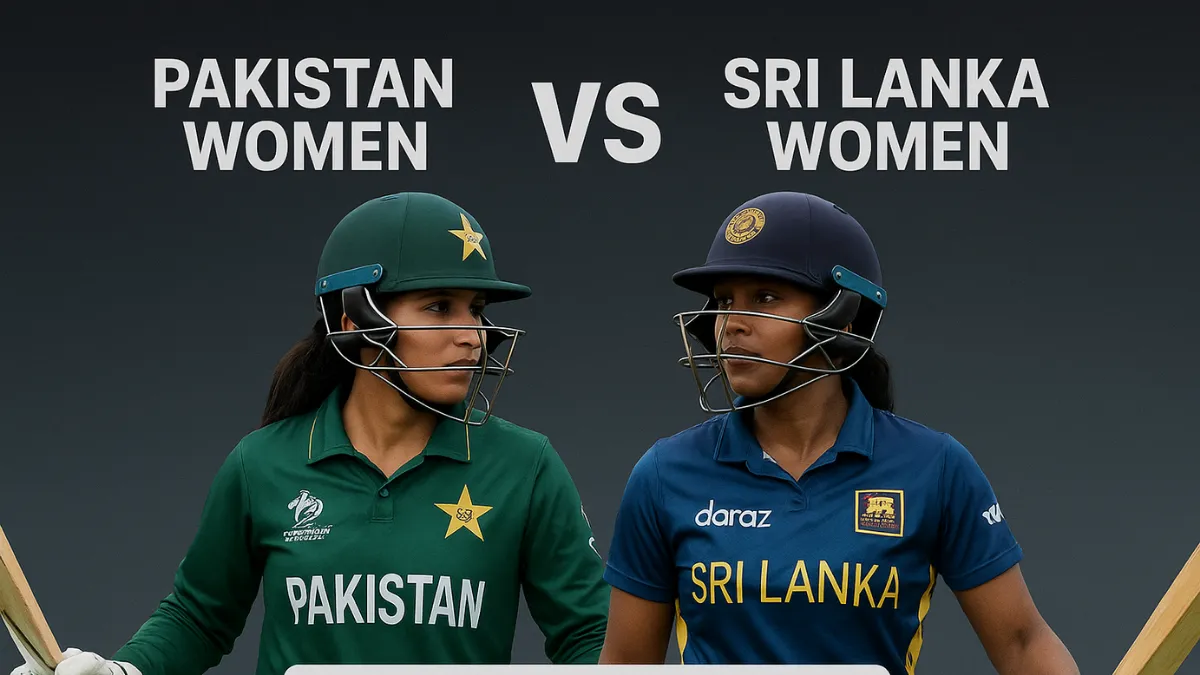
Women’s cricket has grown rapidly in the last decade, and one of the most competitive rivalries in Asia is Pakistan Women vs Sri Lanka Women. Both teams have developed a strong cricket culture, invested in young players, and improved their performance on the international stage. This battle isn’t just about winning a match; it represents the growth, pride, competitiveness, and transformation of women’s cricket in the Asian region.
The rivalry is known for close finishes, spin-dominated matches, and unpredictable outcomes. Whether it is an ODI, T20, or a multi-match series, both sides bring high passion, strong strategies, and exciting performances. This detailed article highlights match analysis, performance comparison, team structure, playing style, key players, historic overview, stats, and future expectations.
Pakistan Women vs Sri Lanka Women – The Foundation of the Rivalry
When Pakistan Women and Sri Lanka Women face each other, the game becomes a classic contest between discipline and aggression. Pakistan focuses on patience, partnership building, and spin control, while Sri Lanka brings fearless batting, power hitting, and tactical bowling.
Why This Rivalry Is Special
- Both teams are Asian cricket giants in women’s cricket structure.
- The outcome is usually unpredictable.
- Close matches make fans stand up and hold their breath.
- Matches are competitive because of similar playing conditions and style.
- Teams fight equally in T20 and ODI formats.
Unlike rivalries dominated by one side, both Pakistan and Sri Lanka challenge each other evenly, which makes the series exciting every single time.
Historical Overview of Pakistan Women vs Sri Lanka Women
Both teams have played several matches across formats over the years and the rivalry has grown stronger. Their early encounters saw both sides still developing their domestic structure. Over time, Sri Lanka Women improved their aggressive batting approach while Pakistan Women strengthened their bowling attack and consistency.
The Rivalry Became Global
As women’s cricket entered ICC tournaments, international franchise leagues, and televised tournaments, their matches got greater attention. Both sides have brought:
- Competitive players
- Popular captains
- Rising young talent
- Strong leadership and coaching influence
The evolution of women’s cricket has encouraged both teams to work on fitness, power training, fielding skills, and team combination.
Team Style, Playing Approach & Strategy
Pakistan Women: Controlled, patient, and tactical
Pakistan Women often rely on measured cricket. Their biggest strengths include:
- Spin-friendly bowling
- Middle-order reliability
- Defensive batting with stability
Their Playing Strategy
- Slow and patient partnerships
- Focus on singles and doubles
- Bowling pressure in middle overs
- Building pressure through field placement
Pakistan Women do not depend completely on power hitting; they rely on technical strokes, strike rotation, and controlled finishes.
Sri Lanka Women: Aggressive, fearless, and unpredictable
Sri Lanka Women usually prefer modern, attacking cricket. The team has shown excellent progress in power cricket and strategy. Their strengths include:
- Big hitting at the top order
- Smart variations in spin bowling
- Early pressure in powerplay
Their Playing Strategy
- Fast scoring in powerplay
- Risk-taking shots
- Spin bowling combinations
- Fielding control in death overs
Sri Lanka Women are known for taking bold decisions and performing well under pressure.
Comparison of Team Strengths
Strengths of Pakistan Women
- Reliable experienced players
- Strong spin bowling lineup
- Excellent middle-order structure
- Calm approach in chase situations
Weaknesses of Pakistan Women
- Slow start in powerplay
- Sometimes over-defensive batting
- Reliance on partnerships rather than aggression
Strengths of Sri Lanka Women
- Aggressive top order
- Effective spin variations
- Strong opening attack in T20 formats
- Quick strike scoring
Weaknesses of Sri Lanka Women
- Middle-order inconsistency
- Pressure collapses while chasing
- Risk-taking can result in early wickets
Match Dynamics – What Makes This Rivalry Thrilling?
1. Spin vs Spin
Both teams decide match results with spin.
- Pakistan focuses on control and economical spells.
- Sri Lanka uses variations and attacking spin.
2. Low-Scoring Close Matches
Unlike teams that rely on 180-plus scores, Pakistan and Sri Lanka often compete in matches around:
- 130-160 in T20s
- 180-230 in ODIs
Low scoring creates suspense and thrill until the last ball.
3. Tactical Decisions
Captains play a huge role in strategy:
- Bowling rotation
- Powerplay tactics
- Use of finishers
- Field adjustments
These tactical battles make their rivalry special.
Key Players from Both Teams
Key Players from Pakistan Women
Pakistan Women have developed a strong squad over the years with all-round talent, dependable batting, and clever bowling.
Their top qualities:
- Consistent spinners
- Calm middle-order players
- Rising young fast bowlers
They are known for game awareness and pressure handling.
Key Players from Sri Lanka Women
Sri Lanka Women offer a mix of aggression and experience.
Their strengths include:
- Experience in spin conditions
- Confidence in risky shots
- Fast scoring opening batters
They have players capable of changing matches in a few overs.
Pakistan Women vs Sri Lanka Women in Different Formats
In ODIs
Matches between these two teams are usually longer battles where partnerships decide results. Bowling pressure and patience define the contest.
In T20s
T20 games are more explosive:
- Unexpected turns
- Quick wickets
- Powerful death-over hitting
Fans call these matches unpredictable and thrilling.
Contribution to Asian Women’s Cricket
Both Pakistan and Sri Lanka have contributed massively to the growth of women’s cricket in Asia:
- Increased player base
- Improved performance levels
- Strengthened domestic tournaments
- Raised global attention
Their rivalry creates international opportunities for young female cricketers.
Also read: WPL 2026 Mega Auction in Hindi
Coaching, Training, and Fitness Development
Modern training has changed the level of competition. Both teams focus on:
- Fitness and skill building
- Power hitting training
- Fast bowling speed upgrades
- Fielding drills
Coaching staffs are also improving match preparation with:
- Data analysis
- Match simulation
- Strategic planning
Fan Support and Media Coverage
Women’s cricket now attracts worldwide attention, and fans follow Pakistan Women vs Sri Lanka Women matches closely. Fans admire:
- Performances
- Sportsmanship
- Energy of players
- Emotional moments
Matches often trend on social media platforms and are discussed for days.
Tournament Performance and Global Competitions
The rivalry has been highlighted in many major tournaments like:
- ICC events
- Bilateral series
- Tri-Nation challenges
Both sides use these platforms to improve their world ranking and global reputation.
Future Outlook: What’s Next for the Rivalry?
Cricket experts believe both teams will become much stronger in the future. Expected developments include:
- Higher scoring matches
- More new talent
- Growing fan support
- Participation in global leagues
Both Pakistan and Sri Lanka look ready for the next big jump in international women’s cricket.
Why the rivalry will continue to grow
- Competitive and balanced teams
- Bowlers and batters both in form
- High entertainment value
- Increasing popularity
This rivalry is one of the core foundations of women’s cricket in Asia.
Conclusion
The Pakistan Women vs Sri Lanka Women rivalry isn’t just a cricket competition. It represents passion, growth, skill, and the future of women’s cricket in Asia. Both teams have their strengths, weaknesses, and unique approaches, but what brings them together is their fighting spirit.
The matches are unpredictable, thrilling, and full of dramatic moments. As women’s cricket continues to expand globally, we can expect more exciting battles between these two teams, higher standards, and unforgettable moments.
This rivalry is truly one of the best in Asian cricket and will continue shaping the future of women’s international cricket.